NBCI Nurturing Healthy Black Babies
An interdiciplinary faith-based team approach in helping to solve the Black Maternal Health Crisis
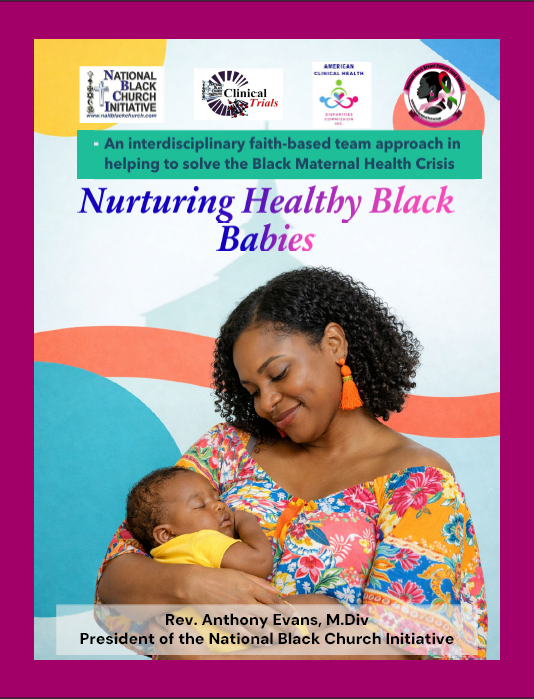
This report describes the NBCI "Wraparound Interdisciplinary Service Structure" and the Black Beautiful Babies Campaign to solve the Black maternal health crisis, and proposes an unprecedented community-powered intervention campaign. This program will create a comprehensive support system for Black mothers utilizing our network of churches across the United States and deploying trained volunteers to serve pregnant women across the country.
Click the link to read the full report
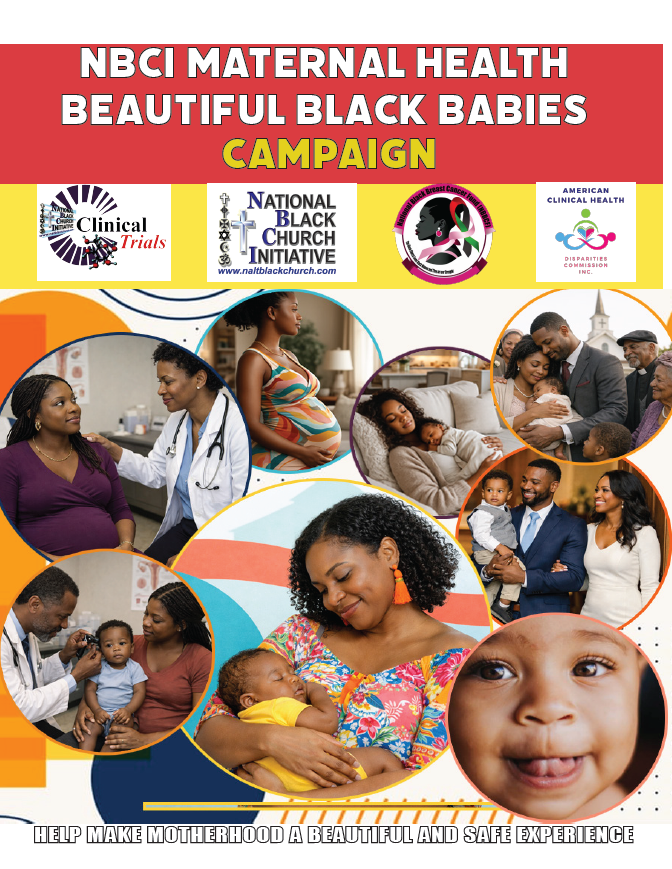 NBCI Maternal Health - Beautiful Black Babies Campaign.pdf [4.2mb]
The following document contains the entire series of graphics and statistics that are part of the an unprecedented community-powered intervention social media campaign for the NBCI Maternal Health - Beautiful Black Babies Campaign in a single, colorful booklet.
The aim of the Beautiful Black Babies Campaign is to not only reduce infant mortality and reduce the risks of injury and death for Black mothers, but to "HELP MAKE MOTHERHOOD A BEAUTIFUL AND SAFE EXPERIENCE".
The Baby Fund


This Fund assists mothers with childcare, food, clothing, transportation, and other related costs when caring for a newborn or a child up to age three.
This is in support of the NBCI Beautiful Black Baby Campaign
Community Baby Shower in Landover Addresses Maternal Health Disparities
NBC Washington covered a community baby shower in Landover focused on supporting Black and Brown families with diapers, wipes, car seats, health resources, and family services.
“You want to do stuff that you would want people to do for you, you know what I'm saying, so it's just about being reciprocal, being empathetic and thoughtful,” said Kiera Myles, the mother of a 3-year-old.
This is the third year the event is taking place, and this time around it was made possible thanks to MedStar Health and volunteers from the Clinton Baptist Church.
Read the full story at NBC Washington
ENDORSED BY
The African American Health Coalition
Grand Rapids African American Health Institute
African and American Women’s Association
Assata’s Daughters
Association of Black Women Physicians (ABWP)
Atlanta Women's Foundation
Baby, Please! Birth Services
Black Feminist Future (BFF)
Black Feminist Future Action Fund
Black Ladies in Public Health
Black Mamas Matter Alliance (BMMA)
Black Maternal Health Caucus (BMHC)
Black Mothers United
Black Researchers Collective
Black Women and Public Health
Black Women for Positive Change
Black Women for Wellness (BWWLA)
Black Women's Blueprint
Black Women's Educational Alliance (Philadelphia Chapter)
Black Women's Health Imperative (BWHI)
Black Women’s Institute for Health
California Black Women's Health Project (CABWHP)
Carrie's TOUCH
Center for African American Health
Center for Black Women's Wellness (CBWW)
The Center for Black Health & Equity
Chocolate Milk Mommies
Feminist Center for Reproductive Liberation
The Family Resource Center Association® (FRCA)
Fearless Fund
For the Breast of Us
Foundation for Black Women's Wellness
Minority Women Pharmacists Association
Mocha Moms, Inc.
National Birth Equity Collaborative (NBEC)
National Black Nurses Association
National Black Women’s Reproductive Justice Agenda
National Black Women's HIV/AIDS Network (NBWHAN)
National Society of Black Women in Medicine
NBNA Black Maternal Health Taskforce
Perinatal Health Equity Initiative
Philadelphia Black Women's Health Alliance (PBWHA)
Sista Midwife Productions (SMP)
SisterSong Women of Color Reproductive Justice Collective (Atlanta)
The Endometrial Cancer Action Network (ECANA)
Women@NJPAC
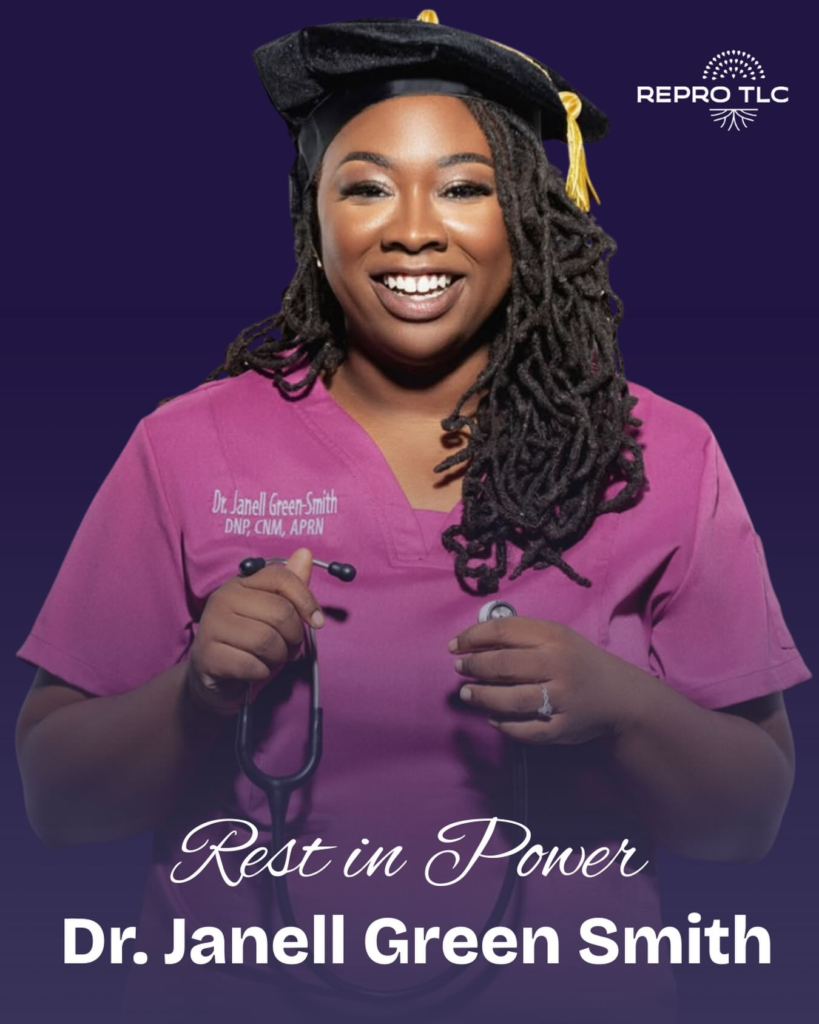
Dr. Janell Green Smith
Another Black Maternal Health Death
The Black Beautiful Babies Campaign will serve 2,000 pregnant African American women in each city and rural area through a three-tiered support system of: (1) clinical care providers and trained perinatal professionals; (2) the Faith Safety Net with its 20,000 community volunteers providing comprehensive services; and (3) church-based resource centers offering health education, counseling, and practical assistance. A primary goal is to
encircle every pregnant Black woman with a culturally aligned, continuous care network during pregnancy, the birth experience, and the first two years postpartum. The Campaign will connect expectant mothers with obstetric, pediatric, mental health, and midwifery providers. Its dedicated support teams will assist women with their medical needs, and provide practical help for them with transportation, nutrition, and safety, too. NBCI recognizes that reducing daily stressors that can directly impact maternal and infant wellbeing is essential for program success.
The Black Beautiful Babies Campaign is a church-centered model designed to eliminate preventable maternal deaths by building a coordinated system of
care to support Black mothers while addressing the social determinants that contribute to maternal health disparities. NBCI’s track record of successful health initiatives, including comprehensive programs in immunization, cardiovascular health, mental health awareness, and substance abuse prevention,
demonstrate our capacity to effectively manage large-scale interventions like the Black Beautiful Babies Campaign. This initiative represents an unprecedented opportunity for Mississippi to lead the nation in addressing Black maternal mortality through a proven, community-based approach.
MoT #1018 Dr. Janell Green Smith: Another Black Maternal Death
Dr. Janell Green Smith became a midwife to help stop black mothers from dying during childbirth. This month she died after delivering her first child. Doctors claim it was "complications."
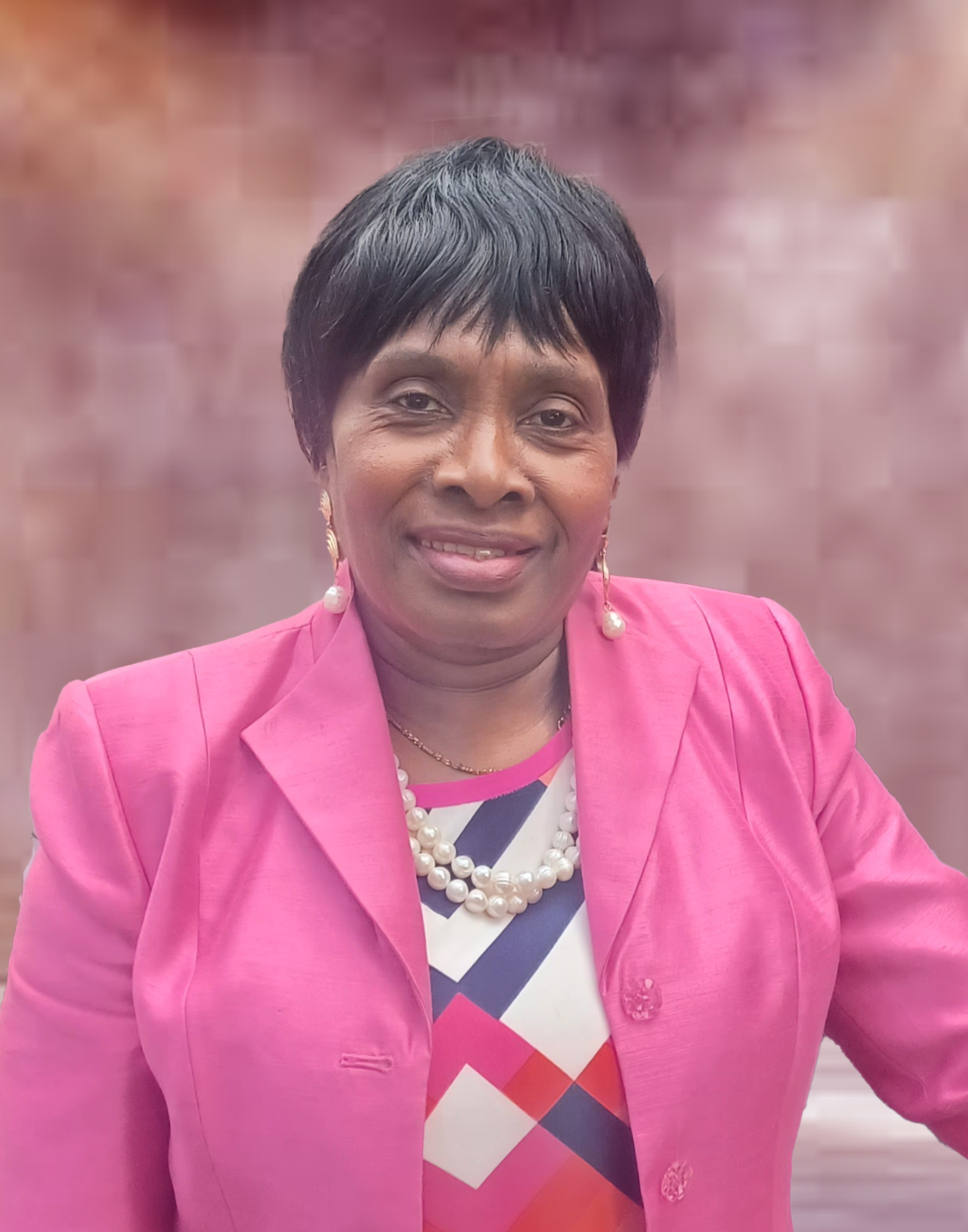
Sister Wendy Alfred
Project Leader
Rev. Anthony Evans, President of the National Black Church Initiative, “This is a game- changer. NBCI will bring to bear tens of thousands of trained volunteers working in an interdisciplinary manner to provide education, outreach, material support, and support for new moms and their children up to three years before and after birth. We would, along with our state partners, create a blanket of services that includes, but is not limited to, food, housing, mental health, and faith services. Our goal is to grow healthy black babies for our communities. We look forward in engaging our state partner with the program.”
Click the link to continue to read this press release

