

























- Health Emergency Home
- HED Current Projects Listing
- Spirituality, Health and Healing
- Family Health
- Men's Health
- Women's Health
- Child Health
- NBCI Health Television
- Health Notes
- Health Articles
- Health Books
- Food and Nutrition
- Physical Health and Fitness
- NBCI Clinical Approach Principles
- Health
Initiative
A to Z
NBCI Search

NBCI Health Television
 The 5 Foods You Should Eat Every Day
Eating right on a budget can be a challenge, but it's certainly not impossible. Holly Robinson Peete presents this "cheat sheet" to the 5 inexpensive foods you should eat everyday for optimum health.
The Black Church and the Importance of Good Nutrition
What the black church needs to
say to its congregations
about good nutrition.
Organizations May
Work with the
Black Church
Producing Effective
Health Promotion
and Policy Initiatives
Companies
African American
Leaders Call on
Tobacco Industry
to Stop Targeting
Their Community
NBCI Declares a National Health Emergency in the Black Church

The Black Church and the Importance of Good Nutrition
A Scientific Overview for Health Professionals
A review of the literature from 1999 to 2001 by Dianne Hyson, Ph.D., M.S., R.D.
Produce for Better Health Foundation [read more]
It Has What? Find Out How Many Calories are in Your Daily Meals
Ever wonder how many calories are in the daily foods that you consume? This growing list is a shocking revelation of a few of the factors that keep you from your ideal weight. Calories in Daily Foods
- Fresh vegetables and fruits should make up the largest part of your healthy foods grocery list. Vegetables and fruits have vitamins, minerals, antioxidants and they are usually low in calories. We all need at least five to nine servings of vegetables and fruits every day to choose a variety of fruits and vegetables that everyone in your family will enjoy.
- Most of your grain and cereal products should be made from whole grains, not from refined flours. This part of your list includes whole grain breads, whole grain pastas, and whole grain breakfast cereals. Whole grains are important for vitamins, minerals, and for fiber, which is often lacking in modern diets. Read labels to look for 100 percent whole grain or 100 percent whole wheat to be sure you are getting whole grain products.
- Your protein and meat choices should consist mostly of fish, poultry and lean meats. Eggs, nuts, seeds and legumes are also good protein choices. Choose fresh and frozen unbreaded meats and fish. Avoid breaded, deep-fried convenience foods that you put in the oven. They are high in fats and sodium.
- Beverages should be kept simple. Water, low fat milk, juices and herbal teas are all good choices. If you choose soft drinks, choose diet sodas and soft drinks to avoid extra sugar.
- Dairy products should include low fat milk, yogurt and cheese. If you do not want cows' milk, choose soy and rice beverages, calcium fortified orange juice, or goats' milks and cheese.
- Be careful with dressings, cooking oils and condiments. They are sneaky sources of refined sugar and poor quality oils. Read labels to choose dressings made with olive oil, canola oil or walnut oil. Choose low fat mayonnaise for your sandwiches and choose canola oil and olive oil for cooking.
- Frozen foods are a convenient way to keep vegetables on hand. There are also prepared meals that you can pop into the microwave or oven. These can be convenient and healthy if you choose low fat versions with good portion sizes. Read labels and chose frozen foods wisely. Avoid frozen pizzas, pocket-sandwiches, deep-fried appetizers, and breaded foods.
- Foods in cans and jars are also very convenient. Look for low-sodium soups, vegetables and sauces. Avoid high fat gravies and high calorie foods like canned spaghetti and ravioli products.
- For sandwiches, choose peanut butter or other nut butters, low fat turkey slices or sliced roast beef. Avoid processed lunch meats, sausages and hot dogs.
- Don't load up on high calorie treats and desserts. Choose fresh fruits, healthy nuts, seeds and whole grain crackers for snacks.
The National Black Church Initiative
is developing a grocery list for all of its congregants. Soon, you
will be able to login and get important information concerning calories
and the suggested grocery list that we recommend.

The Importance of Food Choices to Health
 Unhealthy
diets and physical inactivity are leading causes of premature death,
disabilities, and high health-care costs in the United States. According
to the U.S.Department of Health and Human Services (DHHS), poor
diets, along with physicalinactivity, cause about 310,000 to 580,000
premature deaths each year (Table 1;McGinnis & Foege, 1993).
That is five times the number of people killed by guns, AIDS,and
drug use combined.
Unhealthy
diets and physical inactivity are leading causes of premature death,
disabilities, and high health-care costs in the United States. According
to the U.S.Department of Health and Human Services (DHHS), poor
diets, along with physicalinactivity, cause about 310,000 to 580,000
premature deaths each year (Table 1;McGinnis & Foege, 1993).
That is five times the number of people killed by guns, AIDS,and
drug use combined.
Unhealthy eating is a major cause of obesity, heart disease, cancer, stroke, diabetes,high blood cholesterol, high blood pressure, osteoporosis, tooth decay and other healthproblems. Poor diet can result in disabilities and loss of independence from stroke,heart disease or osteoporosis-related hip fracture, or blindness and limb amputations due to diabetes.
| Table 1: Leading
Contributors to Premature Death (deaths per year) |
|
| Diet and Physical Inactivity | 310,000 - 580,000 |
| Tobacco | 260,000 - 470,000 |
| Alcohol | 70,000 - 110,000 |
| Microbial Agents | 90,000 |
| Toxic Agents | 60,000 - 110,000 |
| Firearms | 35,000 |
| Sexual Behavior | 30,000 |
| Motor Vehicles | 25,000 |
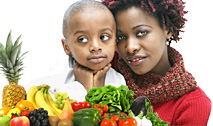
Easy steps to great health through Good Nutrition
As the health crisis continues
to rage in the African American community, the
black church must assume a more activist role as health advocate
for good nutrition. Multiple public health studies commissioned
by universities, foundations and the federal government confirmed
that poor nutrition, lack of physical exercise, and the lack of
access to primary care are the chief reasons for the widening of
the health gap.
 |
|||||||||||||||
 |
 |
 |
 |
 |
 |
 |
 |
 |
 |
 |
 |
 |
 |
 |
|
| Apple | 1 medium | 154 | 80 | 0 | 0 | 0 | 170 | 22 | 5 | 16 | 0 | 2 | 8 | 0 | 2 |
| Artichoke | 1 artichoke | 56 | 25 | 0 | 0 | 70 | 180 | 6 | 3 | 1 | 2 | 2 | 10 | 2 | 2 |
| Asparagus | 5 spears | 93 | 25 | 0 | 0 | 0 | 230 | 4 | 2 | 2 | 2 | 10 | 15 | 2 | 2 |
| Avocado | 1/5 medium | 30 | 55 | 45 | 5 | 0 | 170 | 3 | 3 | 0 | 1 | 0 | 4 | 0 | 0 |
| Banana | 1 medium | 126 | 100 | 0 | 0 | 0 | 400 | 29 | 4 | 21 | 1 | 0 | 15 | 0 | 2 |
| Bell Pepper | 1 medium | 148 | 30 | 0 | 0 | 0 | 270 | 7 | 2 | 4 | 1 | 8 | 190 | 2 | 2 |
| Blueberries | 1 cup | 140 | 100 | 10 | 1 | 0 | 105 | 27 | 3 | 11 | 11 | 0 | 15 | 0 | 2 |
| Broccoli | 1 medium stalk | 148 | 45 | 0 | .5 | 55 | 540 | 8 | 5 | 3 | 5 | 15 | 220 | 6 | 6 |
| Brussels Sprouts | 4 sprouts | 84 | 40 | 5 | .5 | 25 | 290 | 6 | 3 | 2 | 2 | 8 | 120 | 2 | 0 |
| Cantaloupe | 1/4 medium | 134 | 50 | 0 | 0 | 25 | 280 | 12 | 1 | 11 | 1 | 100 | 80 | 2 | 2 |
| Carrot | 7" long | 78 | 35 | 0 | 0 | 40 | 280 | 8 | 2 | 5 | 1 | 270 | 10 | 2 | 0 |
| Cauliflower | 1/6 medium | 99 | 25 | 0 | 0 | 30 | 270 | 5 | 2 | 2 | 2 | 0 | 100 | 2 | 2 |
| Celery | 2 medium | 110 | 20 | 0 | 0 | 100 | 350 | 5 | 2 | 0 | 1 | 2 | 15 | 4 | 2 |
| Cherries | 21 cherries; 1 cup | 140 | 90 | 0 | .5 | 0 | 300 | 22 | 3 | 19 | 2 | 2 | 15 | 2 | 2 |
| Collards | 2 cups chopped | 72 | 25 | 0 | 0 | 30 | 25 | 5 | 1 | 2 | 1 | 50 | 30 | 2 | 0 |
| Cucumber | 1/3 medium | 99 | 15 | 0 | 0 | 0 | 170 | 3 | 1 | 2 | 1 | 4 | 10 | 2 | 2 |
| Figs (dried) | 2 figs | 38 | 100 | 0 | 0 | 5 | 230 | 23 | 3 | 25 | 1 | 0 | 0 | 4 | 2 |
| Grapefruit | 1/2 medium | 154 | 60 | 0 | 0 | 0 | 230 | 16 | 6 | 10 | 1 | 15 | 110 | 2 | 0 |
| Grapes | 1-1/2 cups | 138 | 90 | 10 | 1 | 0 | 270 | 24 | 1 | 23 | 1 | 2 | 25 | 2 | 2 |
| Green Beans | 3/4 cup | 83 | 25 | 0 | 0 | 0 | 200 | 5 | 3 | 2 | 1 | 4 | 10 | 4 | 2 |
| Green Cabbage | 1/12 medium head | 84 | 25 | 0 | 0 | 20 | 190 | 5 | 2 | 3 | 1 | 0 | 70 | 4 | 2 |
| Green Onion | 1/4 cup chopped | 25 | 10 | 0 | 0 | 5 | 70 | 2 | 1 | 1 | 0 | 2 | 8 | 0 | 0 |
| Honeydew Melon | 1/10 medium | 134 | 50 | 0 | 0 | 35 | 310 | 13 | 1 | 12 | 1 | 2 | 45 | 0 | 2 |
| Iceberg Lettuce | 1/6 medium head | 89 | 15 | 0 | 0 | 10 | 120 | 3 | 1 | 2 | 1 | 4 | 6 | 2 | 2 |
| Kiwifruit | 2 medium | 148 | 100 | 10 | 1 | 0 | 480 | 24 | 4 | 16 | 2 | 2 | 240 | 6 | 4 |
| Leaf Lettuce | 1-1/2 cups shreaded | 85 | 15 | 0 | 0 | 30 | 230 | 4 | 2 | 2 | 1 | 40 | 6 | 4 | 0 |
| Lemon | 1 medium | 58 | 15 | 0 | 0 | 5 | 90 | 5 | 1 | 1 | 0 | 0 | 40 | 2 | 0 |
| Lime | 1 medium | 67 | 20 | 0 | 0 | 0 | 75 | 7 | 2 | 0 | 0 | 0 | 35 | 0 | 0 |
| Mango | 1/2 mango | 104 | 70 | 5 | .5 | 0 | 125 | 17 | 1 | 15 | 0 | 40 | 15 | 0 | 0 |
| Mushrooms | 5 medium | 84 | 20 | 0 | 0 | 0 | 300 | 3 | 1 | 0 | 3 | 0 | 2 | 0 | 2 |
| Mustard Greens | 1-1/2 cups chopped | 84 | 25 | 0 | 0 | 40 | 230 | 3 | 1 | 1 | 2 | 90 | 100 | 0 | 0 |
| Nectarine | 1 medium | 140 | 70 | 0 | .5 | 0 | 300 | 16 | 2 | 12 | 1 | 4 | 15 | 0 | 2 |
| Onion | 1 medium | 148 | 60 | 0 | 0 | 5 | 240 | 14 | 3 | 9 | 2 | 0 | 20 | 4 | 2 |
| Orange | 1 medium | 154 | 70 | 0 | 0 | 0 | 260 | 21 | 7 | 14 | 1 | 2 | 130 | 6 | 2 |
| Peach | 1 medium | 98 | 40 | 0 | 0 | 0 | 190 | 10 | 2 | 9 | 1 | 2 | 10 | 0 | 0 |
| Pear | 1 medium | 166 | 100 | 10 | 1 | 0 | 210 | 25 | 4 | 17 | 1 | 0 | 10 | 2 | 0 |
| Pineapple | 2 slices | 112 | 60 | 0 | 0 | 10 | 115 | 16 | 1 | 13 | 1 | 0 | 25 | 2 | 2 |
| Plums | 2 medium | 132 | 80 | 10 | 1 | 0 | 220 | 19 | 2 | 10 | 1 | 6 | 20 | 0 | 0 |
| Potato | 1 medium | 148 | 100 | 0 | 0 | 0 | 270 | 26 | 3 | 3 | 4 | 0 | 45 | 2 | 6 |
| Prunes | 5 prunes | 42 | 110 | 0 | 0 | 0 | 280 | 25 | 3 | 18 | 1 | 10 | 2 | 2 | 4 |
| Radishes | 7 radishes | 85 | 15 | 0 | 0 | 25 | 230 | 3 | 0 | 2 | 1 | 0 | 30 | 2 | 0 |
| Raisins | 1/4 cup | 40 | 130 | 0 | 0 | 10 | 310 | 31 | 2 | 29 | 1 | 0 | 0 | 2 | 6 |
| Raspberries | 1 cup | 125 | 50 | 0 | 0 | 0 | 160 | 17 | 8 | 12 | 1 | 0 | 40 | 2 | 2 |
| Romaine Lettuce | 6 leaves | 85 | 20 | 0 | .5 | 0 | 140 | 3 | 1 | 2 | 1 | 20 | 4 | 2 | 2 |
| Spinach | 1-1/2 cup shredded | 85 | 40 | 0 | 0 | 160 | 130 | 10 | 5 | 0 | 2 | 70 | 25 | 6 | 20 |
| Strawberries | 8 medium | 147 | 45 | 0 | 0 | 0 | 270 | 12 | 4 | 8 | 1 | 0 | 160 | 2 | 4 |
| Summer Squash | 1/2 medium | 98 | 20 | 0 | 0 | 0 | 260 | 4 | 2 | 2 | 1 | 6 | 30 | 2 | 2 |
| Sweet Corn | 1 medium ear | 90 | 80 | 10 | 1 | 0 | 240 | 18 | 3 | 5 | 3 | 2 | 10 | 0 | 2 |
| Sweet Potato | 1 medium,
5" long, 2" diameter |
130 | 130 | 0 | 0 | 45 | 350 | 33 | 4 | 7 | 2 | 440 | 30 | 2 | 2 |
| Tangerine | 1 medium | 109 | 50 | 0 | .5 | 0 | 180 | 15 | 3 | 12 | 1 | 0 | 50 | 4 | 0 |
| Tomato | 1 medium | 148 | 35 | 0 | .5 | 5 | 360 | 7 | 1 | 4 | 1 | 20 | 40 | 2 | 2 |
| Watermelon | 1/18 medium
melon; 2 cups diced |
280 | 80 | 0 | 0 | 10 | 230 | 27 | 2 | 25 | 1 | 20 | 25 | 2 | 4 |
| Percent daily values are based on a 2,000 calorie diet. Your daily values may be higher or lower depending on your calorie needs. Source: U.S. Food and Drug Administration and Produce Marketing Association | |||||||||||||||
The
National Cancer Institute |

African-American Men and Good Nutrition
African-American men suffer much
higher rates of almost every type of cancer than white men, and
they're more likely to have heart disease and high blood pressure,"
said Secretary Thompson. "These leading causes of death are
largely preventable through changes in our lifestyle choices.
The
9 A Day campaign will help us to start emphasizing prevention of
this epidemic by letting African-American men know the vital importance
of eating fruits and vegetables to their overall health.
African-American Men Suffer Extreme Health Disparities
NBCI is focusing its efforts on reaching African-American
men because they suffer disproportionately from a variety of health
conditions. African-American men:
- Overall, have the highest cancer incidence and mortality rates, as well as the highest rates for certain cancers of any ethnic or racial group.
- Have the highest rates of prostate cancer and high blood pressure in the world.
- Are twice as likely as white men to develop diabetes.
- Develop diabetes and high blood pressure earlier in life than other men, and are more likely to suffer serious side-effects from these diseases.
- Have higher mortality rates from heart disease and obesity than other ethnic groups.
Although black men are among the
most seriously affected by diet-related chronic diseases, they have
the lowest consumption of fruits and vegetables overall, eating
an average of only 3.1 servings a day of the 9 recommended for men
by federal nutrition policy. Only 3 percent of black men are even
aware that men should eat 9 servings of fruits and vegetables a
day for better health.
"We must not ignore the excessive
burden of cancer in black men," said von Eschenbach. "Black
men have the highest rates of prostate, lung, colon, oral, and stomach
cancers and are over 140 percent more likely to die from cancer
than white men. Since we recognize one-third of all cancers are
related to diet, this is one area that demands our attention. By
eating 9 servings of fruits and vegetables a day, the risk of diet-related
diseases affecting the African-American community can be lowered.
| The National Cancer Institute killed the 9-A-Day program. We are baffled as to its reasoning. The National Black Church Inititative is reviving this campaign without any funding. NBCI feel that the information contained in this program is too valuable to be wasted. The statistics of chronic disease and the high death rate among African-American men is just too alarming not to have this critical information available to them. |
You can help the National Black Church Initiative fight for this progam by writing to the National Cancer Insitute and tell them that we want this program revived and fully funded. Here is how you contact NCI:
On-Line:
http://www.cancer.gov/help
Telephone:
1-800-4-CANCER (1-800-422-6237)
TTY: 1-800-332-8615
E-mail:
cancergovstaff@mail.nih.gov
Post:
Write to the National Cancer Institute at:
NCI Public Inquiries Office
6116 Executive Boulevard
Room 3036A
Bethesda, MD 20892-8322
This is a perfect
example of how the government namely HHS, CDC, and NIH contributes
to health disparities by killing critical programs like the 9-A-Day
campaign because of the lack of funding. The government needs to
help organizations like NBCI create more targeted health-promotion
campaigns. NBCI needs your financial support to keep this program
going
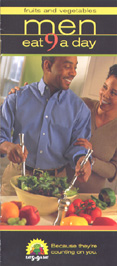
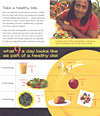
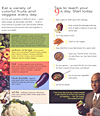
African-American Men: Count yourself healthy
Eat 9 Serving a Day


 |
 |
 |
 |
 |
Diet and Disease
The United States Department of Agriculture has done a wonderful job in helping to clarify how nutrition can inpact these diseases.
AIDS/HIV
The American Cancer Society
Heart Disease
Diabetes
Cancer
Weight and Obesity
Allergies and Food Sensitivities
Eating Disorders
Digestive Diseases & Disorders
How to find out where you are - Nutritionally.
And what you can do about it.
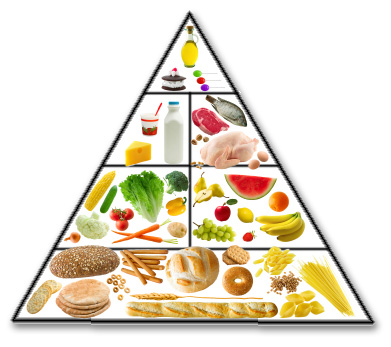
For more information concerning the food pyramid,
visit:
What Happened to MyPyramid.gov?
From the history of the food pyramid, it is clear that when it comes to dietary recommendations, nothing is cast in stone. This is possibly the reason why the USDA updates its recommendations every five years.
This new article contains a summary of the recommendations contained in the current guidelines: USDA's Dietary Guidelines for Americans 2015-2020.
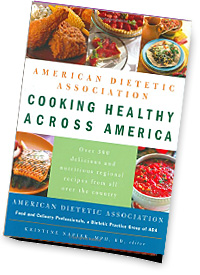

Important Web sites on Nutrition:
5-a-day campaign
www.5aday.com
Center for Science in the Public Interest
www.cspinet.org
Produce for a Better Health Foundation
www.pbhfoundation.org
Association of Black Cardiologists
http://www.abcardio.org
The National Diabetes Eduation Program
www.ndep.nih.gov
National Heart, Lung and Blood Institute
www.nhlbi.nih.gov
Information on the DASH diet from the National
Heart, Lung and Blood Institute
www.nhlbi.nih.gov/health/public/heart/hbp/dash/new_dash.pdf
Information on Blood Pressure from the National
Heart, Lung and Blood Institute
www.nhlbi.nih.gov/guidelines/hypertension/express.pdf
American Dietetic Association
http://www.eatright.org
ADA African American Link
http://www.eatright.org
American Health Association
http://www.americanheart.org
American Cancer Association
http://www.cancer.org
American Diabetes Association
http://www.diabetes.org
American Stroke Association
http://www.strokeassociation.org
National Black Church Initiative ©
Privacy
Policy